Preserve and modernise historic luminaires.
Aesthetically original, technically up to date.
Denkmalgerechte Ertüchtigung und Sonderanfertigung für Kirchen, Kommunen und Denkmaleigentümer — mit Förderbegleitung aus einer Hand. Bundesförderung bis zu 40 %.
Legacy lamp technology is being phased out.
Heritage protection makes simple replacement impossible.
T8 and T5 fluorescent tubes may no longer be sold in the EU. Existing stock may be used up — reordering is not possible.
Affected: church pews, parish halls, administrative buildings, foyers in listed buildings with linear fluorescent lamps of any generation.
End of the NKI Municipal Directive in its current form. Applications must be submitted before construction begins — preparation time is 3–5 months.
Projects not yet started today risk missing the funding window. A free Funding Check clarifies eligibility in 30 minutes.
Halogen lamps and other classic light sources will follow the fluorescent tube ban. Listed property owners without LED-compatible sockets face a de facto obligation to renovate.
Acting now means: securing funding, meeting deadlines, protecting the fabric.
In listed buildings, simple replacement is not an option.
Heritage authorities require the preservation of historic luminaire bodies. LED retrofit solutions often fail on form, temperature or socket dimensions. What remains is bespoke upgrading — technically precise, substance-preserving, approvable.
Three programmes — which fits your building?
 NKI Municipal Directive
Municipalities, churches and non-profit organisations
25 % standard · 40 % financially weak municipalities
For public buildings and recognised cultural institutions in listed buildings.
Application before construction begins. Deadline: 31 December 2027.
 BEG / BAFA — Federal Funding for Efficient Buildings
Private owners, hotels, foundations
15 % on eligible renovation measures.
Combinable with Denkmal-AfA. No public entity required.
Application before commissioning via the BAFA portal.
Funding programmes can be combined. Which combination applies to your project we clarify in the free Funding Check — without obligation. Subject to changes in funding conditions. As of: 2026.
Restoration or Reconstruction
Original luminaire is preserved
Historic housing and shade are refurbished. Socket, ballast and connection are modernised. The appearance remains identical — the technology is new.
Suitable for: chandeliers, pendant luminaires, wall brackets, outdoor luminaires with original fabric worth preserving.
In-situ upgradingMissing luminaires are reconstructed
Missing, destroyed or inadequately replaced luminaires are newly manufactured according to historical documentation — in brass, bronze or cast iron, with modern lighting technology inside.
Suitable for: church naves with partial losses, hotel lobbies with mixed stock, administrative buildings after war damage.
Bespoke reconstructionMany projects combine both lines. In the Funding Check we clarify which measures need to be applied for separately under funding regulations.
Dortmund City Hall — 42 chandeliers restored
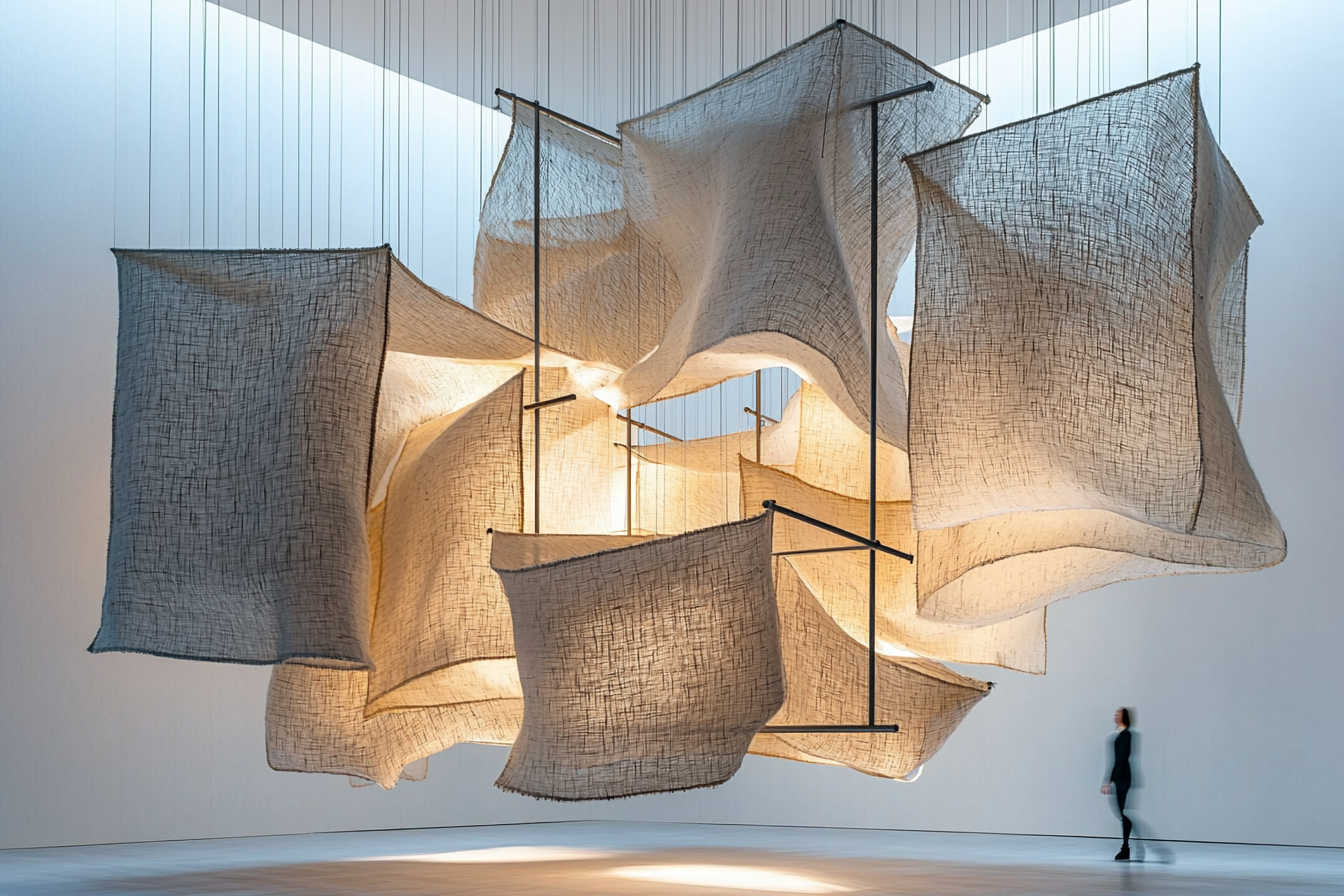
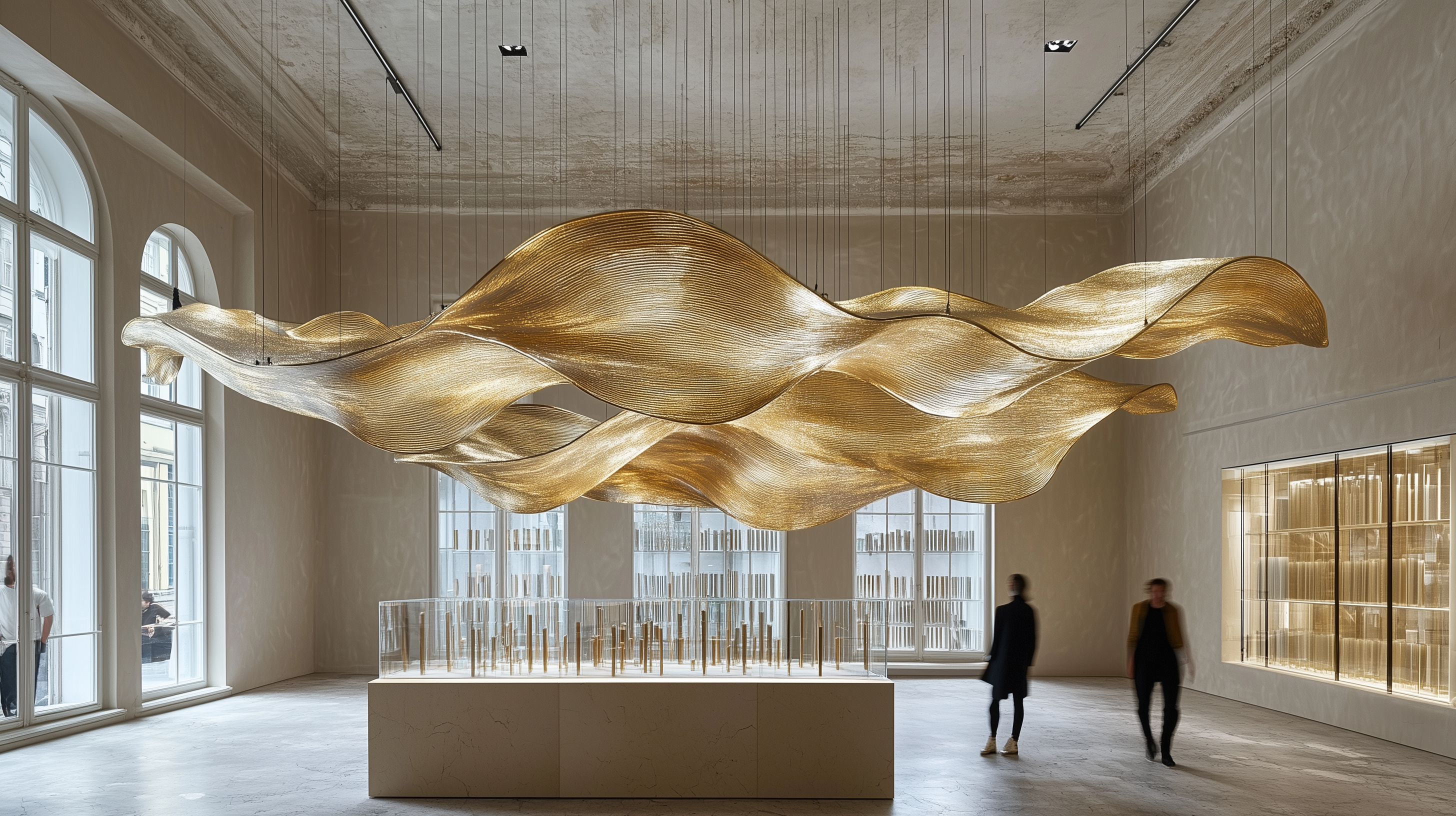
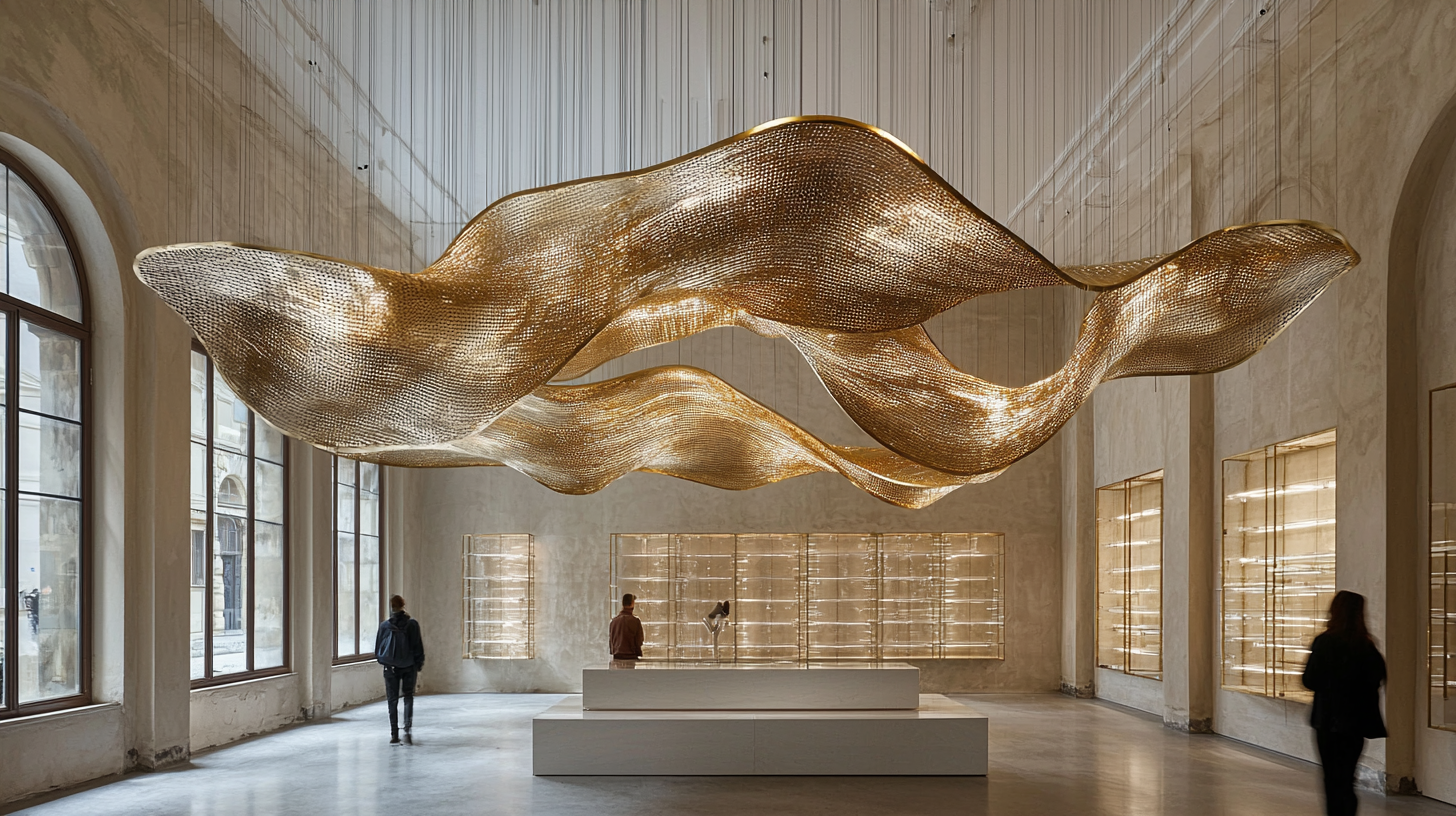
Dortmund City Hall
Listed building, public use
42 Kronleuchter restauriert · defekte Teile originalgetreu ersetzt · LED-Umrüstung · DALI-Ansteuerung · Aufhängung und Zuleitung nach aktueller Norm · Aufhängepunkt bei 8 Leuchten auf 37 m
Appearance unchanged.
All luminaires restored 1:1.
First exposed concrete church in Germany
Public administrative building
New bespoke luminaire
Outdoor art installation
How it works.
Funding Check — 30 minutes, free of charge
Free of charge · No quote · No pressureWir klären: Ist Ihr Objekt förderfähig? Welches Programm passt? Was sind realistische Eigenanteile? Sie erhalten eine ehrliche Einschätzung — auch wenn am Ende nichts förderbar ist.
Bringen Sie mit: Baujahr des Gebäudes, aktuelle Fotos der Leuchten, Denkmalschutzeinstufung (wenn bekannt).
Site survey and concept
Fixed-price quote · No hidden costsEin BOND-Techniker kommt vor Ort, dokumentiert jede Leuchte im Detail und erstellt ein Konzept mit zwei Varianten: Ertüchtigung im Bestand und — wenn sinnvoll — ergänzende Rekonstruktion.
Das schriftliche Angebot enthält alle Positionen nach Förderrecht getrennt ausgewiesen, damit der Förderantrag direkt darauf aufbauen kann.
Funding application — we handle the paperwork
Processing time: 3–5 months · Support includedBOND erstellt und koordiniert den Förderantrag vollständig: Kostenschätzung, Fördermittelbeantragung, Abstimmung mit Denkmalschutzbehörde und Bewilligungsbehörde.
Parallel beginnen wir die handwerkliche Vorbereitung in der Werkstatt — damit nach Bewilligung unmittelbar gestartet werden kann.
Execution and handover
Execution time: 4–12 weeks depending on scopeDemontage, Aufarbeitung, Umbau und Montage — alles aus einer Hand. Wir liefern die Dokumentation, die Sie für den Verwendungsnachweis gegenüber der Förderbehörde benötigen.
Nach Übergabe: 5 Jahre Garantie auf alle BOND-Leuchtenarbeiten. Ersatzteile für alle gefertigten Teile für mindestens 10 Jahre gesichert.
In 30 minutes you will know whether your building is eligible for funding.
Free of charge. No obligation.
Even if the result is "not eligible" — we will tell you.
Frequently Asked Questions
Is my building eligible for funding if it is only listed but has no public body as owner?
Yes. Private individuals and private institutions can be funded via BEG/BAFA (15 %) and Denkmal-AfA (up to 100 % tax relief). The NKI Municipal Directive is restricted to public entities and recognised public-benefit institutions. In the Funding Check we clarify this concretely for your building.
Can we not submit the funding application ourselves?
This is possible, but labour-intensive. NKI applications require a cost estimate to HOAI, technical descriptions and coordination with the heritage authority. Errors in the application can lead to rejection. BOND handles the application as part of its services — at no additional cost.
How long does the entire process take from funding application to completion?
Realistically 6–12 months. Approval time 3–5 months, execution 4–12 weeks depending on scope. Anyone booking the Funding Check today can expect approval and ongoing work by end of 2026 — within the NKI funding window.
May I still make changes to the project after the application?
Only within narrow limits. Funding decisions are tied to the originally applied project. Material changes must be agreed in advance with the approving authority. That is why a precise concept before submitting the application is crucial.
What if some luminaires are no longer original or are missing?
Reconstructions of missing luminaires based on historical documentation are generally eligible for funding — the heritage authority must approve the plan in advance. BOND has experience with mixed projects (upgrading + reconstruction) and prepares two separate funding applications if needed.
Where does BOND operate — only NRW or throughout Germany?
BOND operates throughout the DACH region. Our workshop is in Lüdinghausen, NRW. Site surveys and installations we carry out throughout Germany, Austria and Switzerland. References from several federal states available on request.